The Three Olympic Weapons
Every Olympic fencer competes in one of three disciplines: Foil, Épée, or Saber. Although all three share the same foundations of footwork, timing, distance, and strategy, each weapon offers a unique style of competition and attracts athletes with different strengths.
At Bay Area Fencing Club, students begin by learning the core skills that apply across all weapons before specializing in the discipline that best matches their abilities and competitive goals.
Foil
Foil is the classic training weapon and is often where many young fencers develop their technical foundation. It rewards precision, tactical thinking, and disciplined execution.
Only the torso is considered valid target, and touches are scored exclusively with the tip of the blade. Foil also follows the principle of right-of-way, a rule that rewards correctly executed attacks and defenses rather than simply who touches first.
For athletes who enjoy strategy, technical mastery, and thoughtful competition, foil offers an exceptional balance of athleticism and intellect.
- Scoring method
- Thrust
- Valid area
- Torso
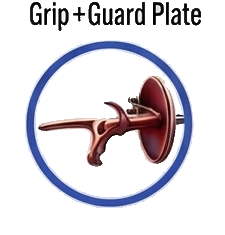
- Grip + guard
- Small guard plate

Épée
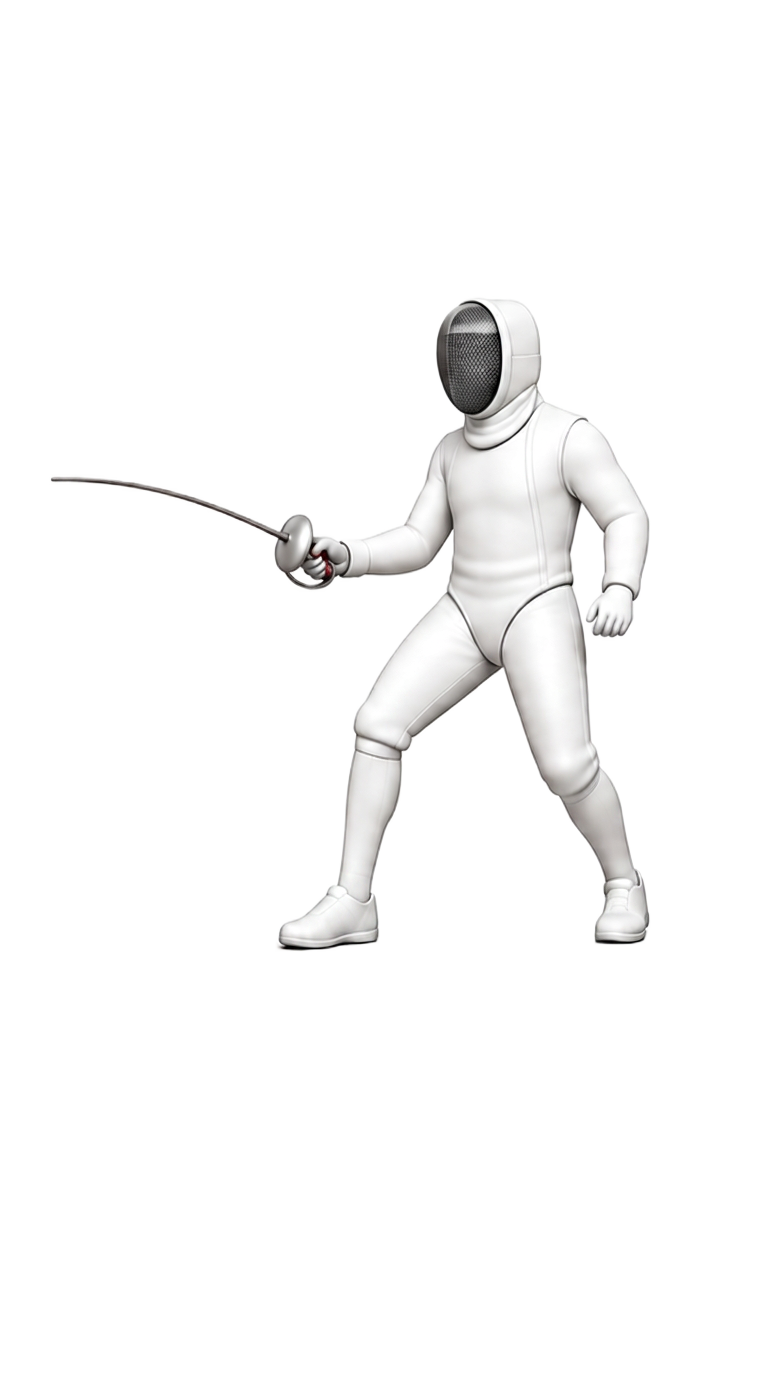
Épée traces its heritage to the traditional dueling sword and is the only Olympic weapon in which the entire body is a valid target.
Points are scored with the tip of the blade, but unlike foil and saber, there is no right-of-way. If both fencers land a touch within the allowed time, both receive a point. This creates a style of fencing built on patience, distance control, and calculated risk.
Épée rewards competitors who remain composed under pressure and excel at reading their opponents before committing to an attack.
- Scoring method
- Thrust
- Valid area
- Full body
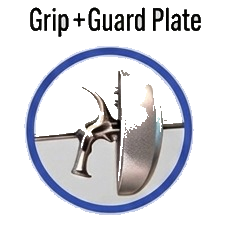
- Grip + guard
- Large guard plate
Saber
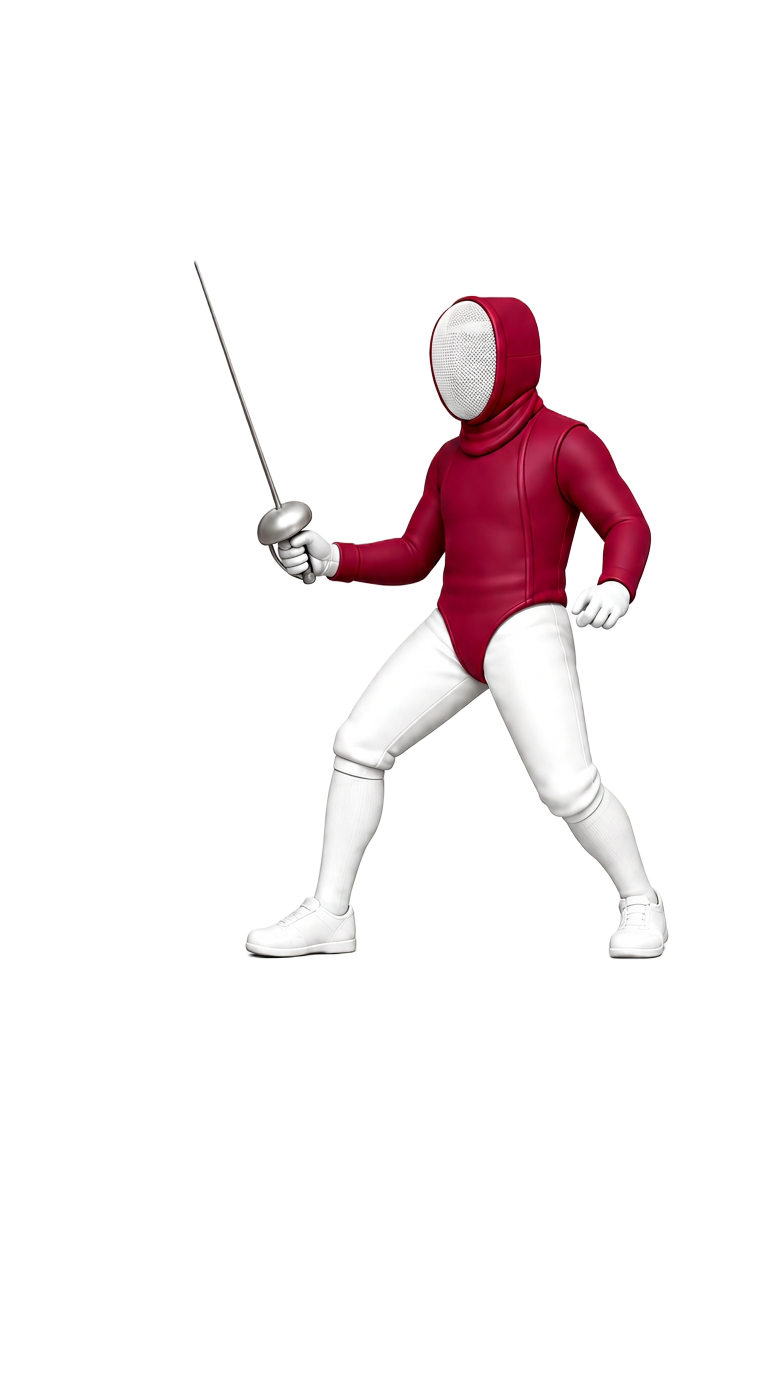
Saber evolved from the cavalry sword and is the fastest-paced discipline in Olympic fencing.
Fencers may score using either the edge or the tip of the blade, with valid target extending from the waist upward, including the arms and head. Like foil, saber uses right-of-way to determine priority when both athletes hit.
Speed, explosive footwork, and rapid tactical decisions define saber competition. Bouts often unfold in just a few seconds, demanding confidence, athleticism, and exceptional reaction time.
- Scoring method
- Cut, thrust
- Valid area
- Upper body, mask
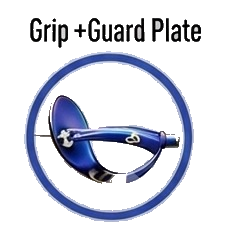
- Grip + guard
- Knuckle guard
Which Weapon Is Right for Your Child?
Every athlete develops differently, and there is no "best" weapon—only the one that best matches a fencer's personality, physical attributes, and competitive mindset.
At Bay Area Fencing Club, our experienced coaching staff introduces students to the fundamentals of Olympic fencing while helping them discover where they will thrive. Whether your child is drawn to the technical precision of foil, the strategic depth of épée, or the explosive excitement of saber, they will receive world-class instruction in a safe, supportive, and high-performance training environment.